Description
Badges:
- HPLC/MS Verified
- QR-linked COA per batch
- Secure Payments (Card + Crypto)
- Fast Canada Shipping
🔬 Science & Mechanism
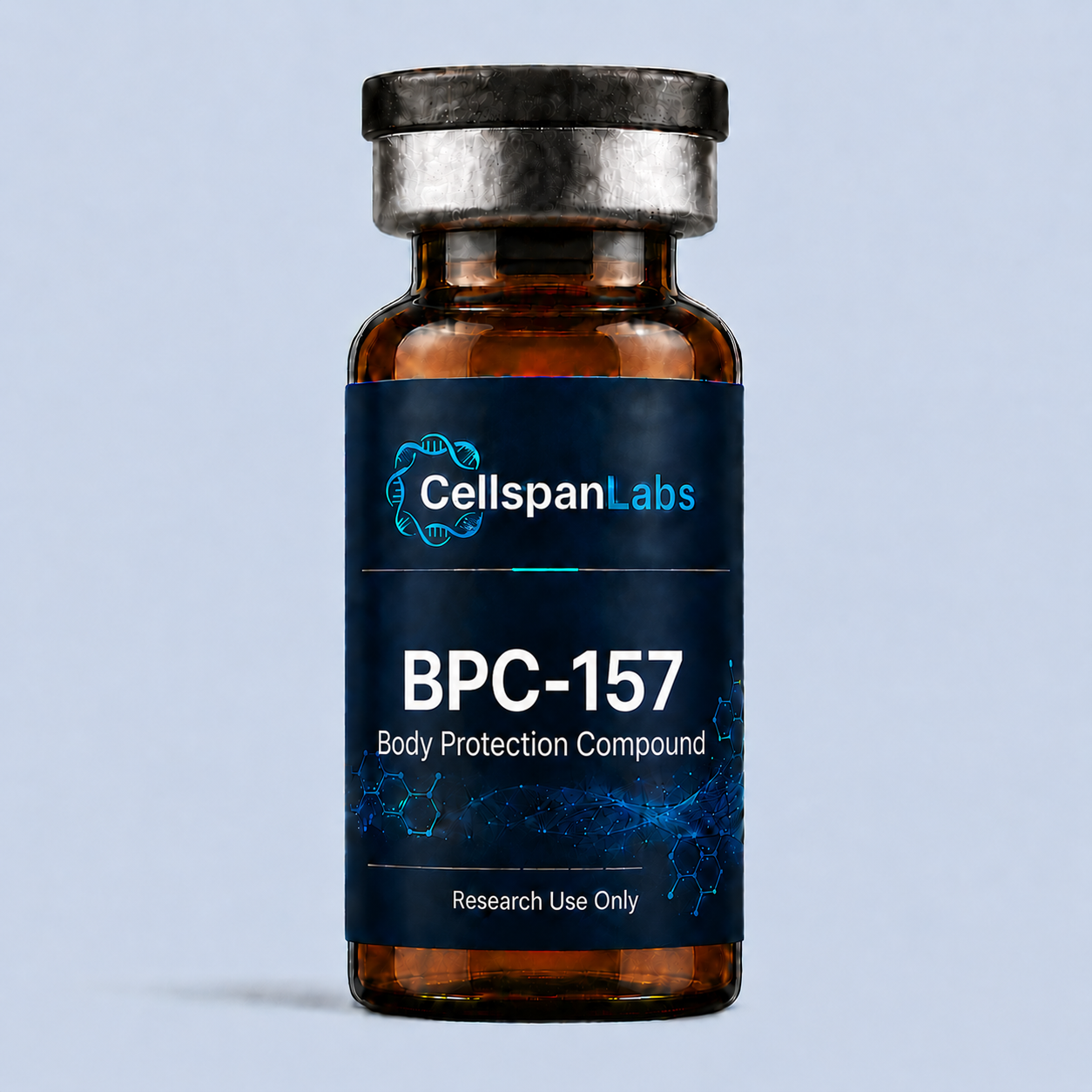
BPC-157 is a synthetic fragment of Body Protection Compound, a peptide found naturally in gastric juices. It is thought to:
- Stimulate angiogenesis (formation of new blood vessels).
- Increase fibroblast migration and collagen deposition.
- Support gut barrier integrity and reduce gastric lesion formation.
- Enhance recovery in tendon, ligament, and skeletal muscle models.
⚠️ Note: Most data comes from rodent and in vitro studies, with limited human trial data. Transparency about this builds trust.
📊 Clinical Evidence
- Animal models show accelerated tendon-to-bone healing, muscle recovery, and reduced inflammatory damage.
- Studies demonstrate gut protection, reducing NSAID-induced gastric lesions.
- Human clinical data is scarce, but BPC-157 is widely used in experimental and off-label regenerative protocols.
💉 Dosing Guide (Educational)
Typical Research Protocols Reported in Literature:
- Subcutaneous: 200–500 mcg daily, often near site of injury (rotated if systemic use).
- Oral/gastric studies: investigational only, not common in biohacker use.
Reconstitution (10 mg vial example):
- Add 2 mL bacteriostatic water → concentration = 5 mg/mL.
- 250 mcg dose = 0.05 mL (5 units on an insulin syringe).
- 500 mcg dose = 0.1 mL (10 units).
BPC-157 Reconstitution Table (10 mg Vial Example)
Step 1: Reconstitute
- Add 2 mL bacteriostatic water into a 10 mg vial.
- Final concentration = 5 mg per mL.
- On an insulin syringe (1 mL = 100 units), that means 50 mcg per unit.
Step 2: Conversion Table
| Desired Dose |
Volume (mL) |
Insulin Syringe Units |
| 200 mcg |
0.04 mL |
4 units |
| 250 mcg |
0.05 mL |
5 units |
| 300 mcg |
0.06 mL |
6 units |
| 400 mcg |
0.08 mL |
8 units |
| 500 mcg |
0.10 mL |
10 units |
| 1,000 mcg (1 mg) |
0.20 mL |
20 units |
🧊 Storage
- Refrigerate lyophilized vial (2–8 °C).
- After reconstitution, refrigerate and use within 30 days.
⚠️ Disclaimer
- For educational and informational purposes only.
- Not FDA or Health Canada approved for human consumption.
- Customers assume responsibility for safe handling and informed use.
❓ FAQ
How is BPC-157 usually used?
Often in recovery protocols for tendon/ligament repair, gastric support, and soft tissue healing.
Is it better with TB-500?
Yes. BPC-157 + TB-500 is widely regarded as synergistic (“Wolverine Stack”).
Is there human data?
Limited. Most evidence comes from animal studies and anecdotal biohacker reports.
📚 References
- BPC-157 and tendon healing (preclinical models)
🔗 https://pubmed.ncbi.nlm.nih.gov/25847314/
- BPC-157 and muscle regeneration (rat model)
🔗 https://pubmed.ncbi.nlm.nih.gov/11858621/
- Gastric protection effects
🔗 https://pubmed.ncbi.nlm.nih.gov/9403783/
- Systematic Review: BPC-157 in tissue healing (2022)
🔗 https://pubmed.ncbi.nlm.nih.gov/35082592/
- Gut-brain axis and inflammation modulation
🔗 https://pubmed.ncbi.nlm.nih.gov/30773466/

Reviews
There are no reviews yet.